Blog
Nuts and Seeds for Everyday Health: What to Eat and Why
Jan
Nuts and seeds are the most nutrient-dense foods you can add to your day — a small handful delivers healthy fats, protein, fiber, vitamins and minerals that most Pakistani diets run short on. But which ones should you actually eat, how much, and when? Here’s the practical guide.
Which nuts should you eat every day?
The best everyday nuts are almonds, walnuts and cashews — a small handful (about 30g) covers you. Each brings something different: almonds for vitamin E and skin, walnuts for omega-3s and brain health, cashews for iron and energy.
- Almonds: Rich in vitamin E, magnesium and protein. The classic soaked-overnight badam of Pakistani tradition — soaking softens them and may improve nutrient absorption.
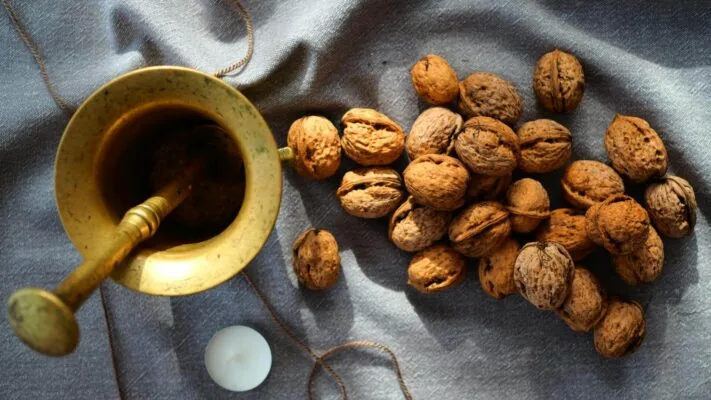
- Walnuts: The only nut with meaningful omega-3 (ALA) content — excellent for heart and brain. Their bitter skin holds many antioxidants, so don’t peel them.
- Cashews: Creamy, iron-rich and a good source of zinc and magnesium. Easier to digest than most nuts, making them good for kids.
A mix beats any single nut — you get a broader spectrum of nutrients. That’s exactly why we built our Fresh Nuts & Seeds Mixed: almonds, walnuts and cashews in one jar, raw with no added salt or oil.
Which seeds should you eat every day?
The four seeds worth eating daily are chia, flax, pumpkin and sunflower. Together they deliver omega-3 fatty acids, magnesium, zinc, iron and fiber that are hard to get from a standard desi diet.
- Chia seeds: Tiny but mighty — high in fiber, calcium and omega-3s. They gel in liquid, making them perfect for overnight oats and smoothies.
- Flax seeds (alsi): The richest plant source of omega-3 (ALA) plus lignans, plant compounds linked to heart health. Grind them before eating — whole flax passes through undigested.
- Pumpkin seeds: Loaded with zinc, magnesium and iron. Great for immunity, sleep quality and men’s health.
- Sunflower seeds: Rich in vitamin E and selenium — excellent for skin and thyroid support.
Our Mixed Seeds blend combines all four, raw and unprocessed, so one spoonful covers the full spectrum.
How many nuts and seeds should you eat per day?
About 30 grams of nuts (a small handful) plus 1–2 tablespoons of seeds. That’s roughly 200 calories of extremely nutrient-dense food — enough for real benefits without weight gain.
More is not better here. Nuts are calorie-dense, and past a handful the extra calories outweigh the extra nutrition. Think of them as a daily supplement from food, not a snack bowl to graze from.
When is the best time to eat nuts and seeds?
Morning is ideal — with breakfast or as a mid-morning snack. Here’s a simple daily rhythm:
- Morning: Soaked almonds on an empty stomach (traditional and effective)
- Breakfast: 1 tablespoon mixed seeds stirred into oatmeal, yogurt or a smoothie
- Evening (4–5 pm): A small handful of mixed nuts instead of biscuits or nimco with chai
Avoid eating large quantities late at night — the fat and fiber slow digestion and can disturb sleep.
Are nuts and seeds good for weight loss?
Yes — despite being calorie-dense, they support weight loss. Their combination of protein, fiber and healthy fats keeps you full for hours, which cuts snacking and reduces overall calorie intake.
Multiple large studies link daily nut consumption with lower body weight, not higher — because people who eat nuts snack less on junk. The key is portion discipline: pre-portion your handful instead of eating from the jar.
How do you add them to a Pakistani diet easily?
You don’t need new recipes — just upgrade what you already eat:
- Sprinkle mixed seeds over dahi, lassi or fruit chaat
- Add crushed nuts to kheer, sheer khurma or halwa instead of just garnishing
- Toss seeds into daal or salad for crunch
- Keep a jar at your desk for the 4 pm hunger window
- Blend seeds into your morning smoothie or milkshake
What should you avoid when buying nuts and seeds?
Avoid salted, oil-roasted and “honey-coated” mixes — the added sodium, refined oils and sugar cancel out the health benefits. Also skip anything that smells stale or rancid; the healthy fats in nuts oxidize over time, so buy from sellers with fast turnover who pack fresh. We pack our mixes fresh in small batches for exactly this reason.
Frequently Asked Questions
Should I soak almonds before eating?
Soaking overnight softens almonds and may reduce phytic acid, which can block mineral absorption. It’s traditional in Pakistan for good reason — but dry almonds are still nutritious if you prefer them.
Are seeds safe for children?
Yes for school-age children — they’re great lunchbox additions. For toddlers, grind seeds and chop nuts finely, as whole nuts are a choking hazard.
Do nuts and seeds go bad?
Yes — their healthy fats can go rancid. Store in airtight containers in a cool, dry place (or the fridge in summer) and buy in quantities you’ll finish within 2–3 months.
Can diabetics eat nuts and seeds?
Generally yes — they’re low-glycemic and high in fiber, which helps blood sugar control. Stick to the 30g portion and skip candied or coated varieties.
Where can I buy fresh mixed nuts and seeds in Pakistan?
Look for raw, unsalted mixes packed fresh with no preservatives. Our Fresh Nuts & Seeds Mixed (Rs 3,000) and Mixed Seeds (Rs 2,000) are packed fresh and delivered across Pakistan with Cash on Delivery.
About The Only Tasty: our team sources raw honey, desi ghee and dry fruits directly from farms across Pakistan. We write about food purity because we’ve seen what the fake stuff does to trust.
